The Infection Is What Hurts. The Treatment Is What Relieves It.
Toothache that won’t quit? A root canal treats the infection at the source and saves your natural tooth. Comfort comes first here, and we go at your pace, every step of the way.
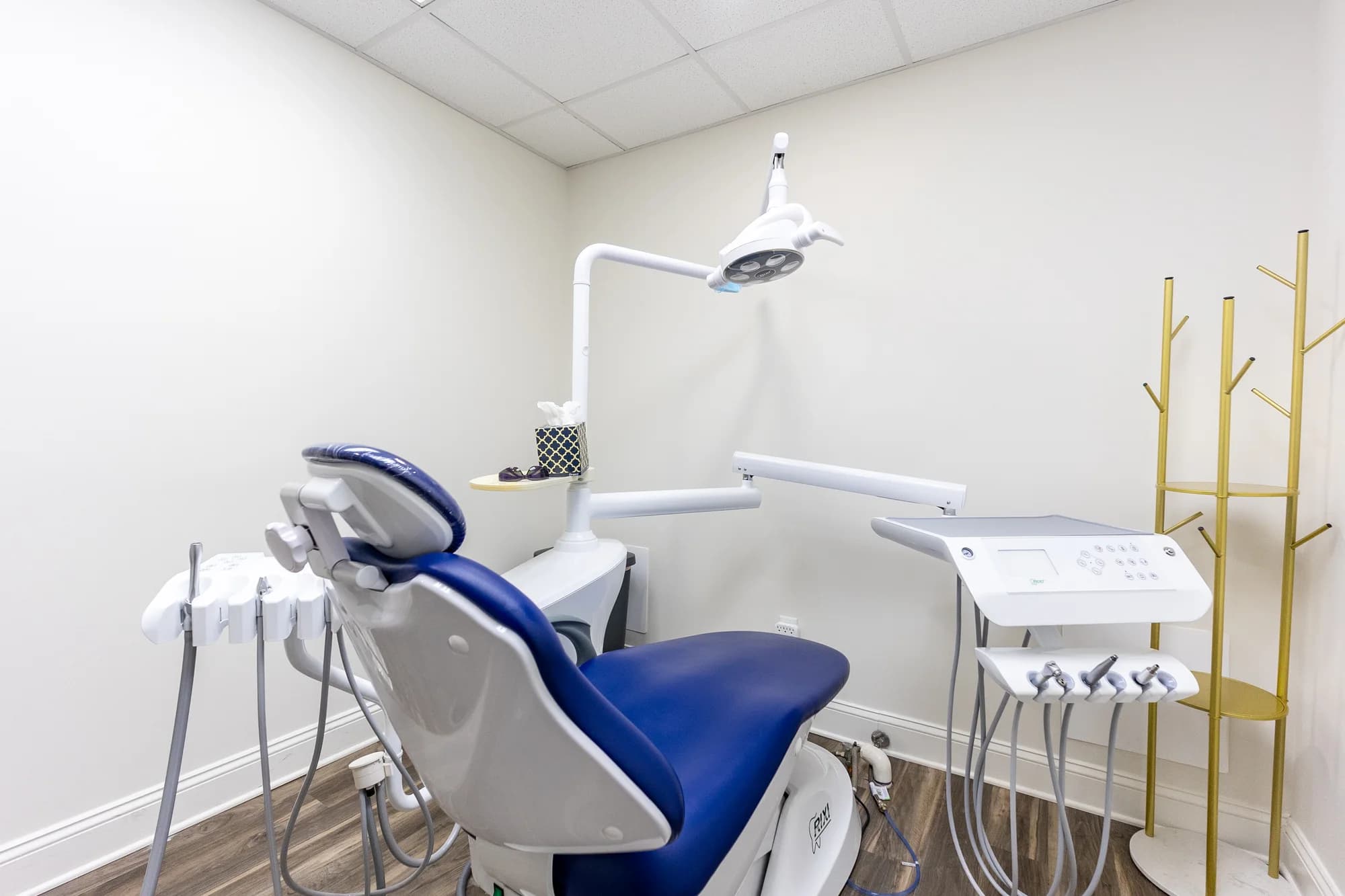
What a Root Canal Actually Does
Inside every tooth there’s a soft core called the pulp: nerves and blood vessels that helped the tooth grow in. When that pulp gets infected or inflamed (usually from deep decay, a crack, or one too many fillings on the same tooth), it can’t heal on its own. A root canal removes the infected pulp, cleans and disinfects the space inside the tooth, then seals it back up. The tooth stays in your mouth instead of coming out.
Why it ends the pain instead of causing it
The infection is what causes the pain. The treatment is what relieves it. We hear “isn’t a root canal supposed to be awful?” a lot: modern treatment, done under full local anesthesia, is a routine, comfortable procedure. Many patients tell us the appointment itself felt easier than the toothache that brought them in.
When a Toothache Is More Than a Toothache
And sometimes: no symptoms at all, a routine X-ray can catch it before you feel a thing.
An exam and an X-ray are the only way to know for sure whether a root canal, a filling, or something else is the right call. If any of this sounds familiar, come in, and we’ll walk you through what we see, honestly, before recommending anything.
Start to Finish
Exam & imaging
We confirm the pulp is infected. For involved cases, CBCT 3D imaging shows the exact shape of the roots before we start.
Getting you comfortable
Full local anesthesia before anything starts; sedation available too, if you’d like it.
Removing the infected pulp
A small opening lets us clean out the infected tissue and disinfect the canals.
Shaping & sealing
Once clean, the canals are filled and sealed so nothing can get back in.
A crown, most of the time
A treated tooth is more brittle than before, so we usually recommend a crown to protect it, typically its own follow-up visit.
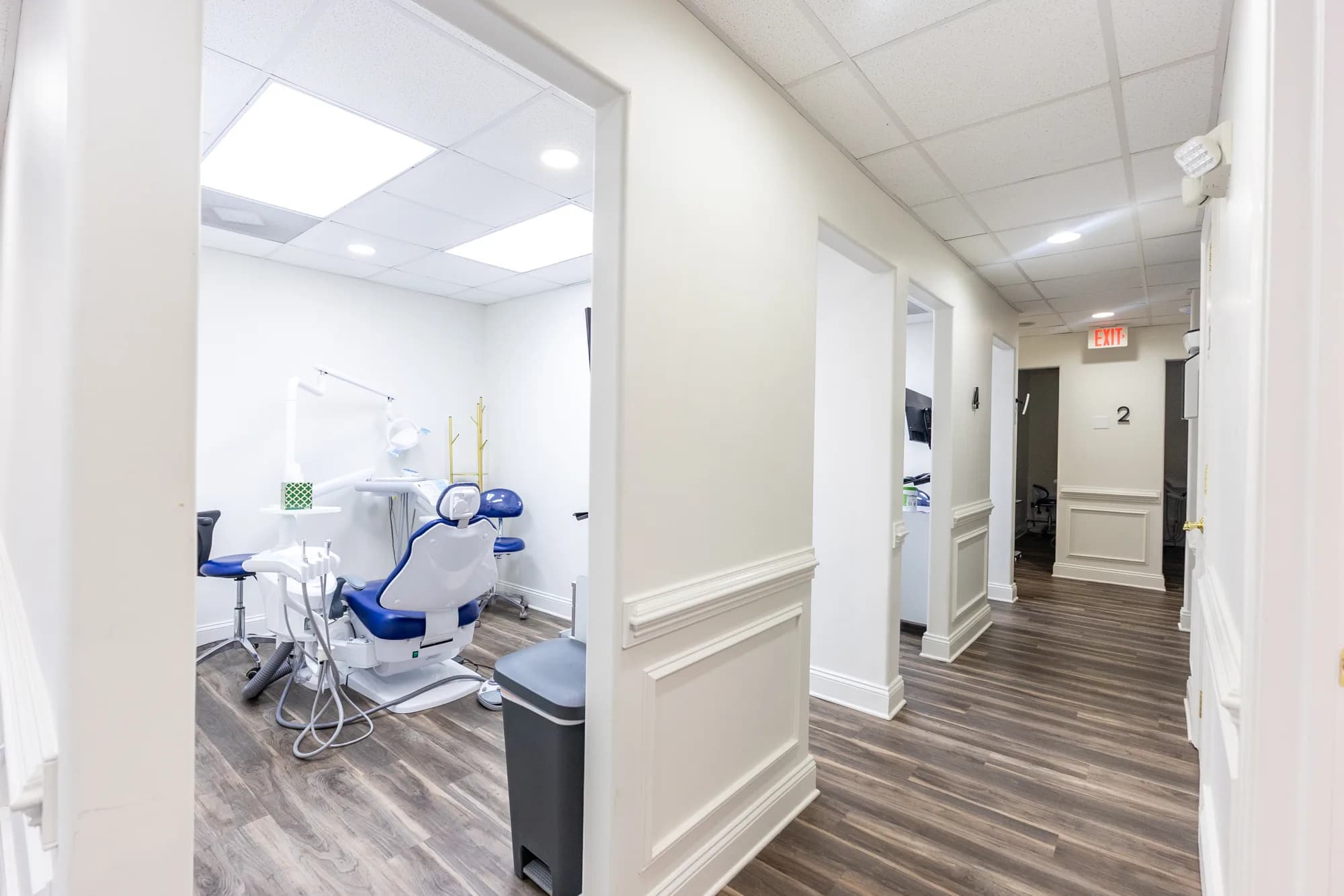
Handled Here, By People Who Know Your Mouth
Most root canals are straightforward, and we treat them right here as part of your regular care: no separate referral, no new office, no re-explaining your history to a stranger. Dr. Bhangra and Dr. Arafa work through the harder cases together, and if a tooth needs more specialized attention, we’ll tell you honestly and help coordinate that next step ourselves.
We’ll only recommend a root canal when it’s actually the right call. If a filling or a simpler fix will do the job, that’s what we’ll tell you. And if you’re nervous about being in the chair at all: nitrous oxide, oral sedation, and extra-gentle numbing are available, and nothing happens until you’re ready.
We’ll only recommend a root canal when it’s actually the right call: if a simpler fix will do the job, that’s what we’ll tell you.
A Real Number After Your Exam
Cost depends on which tooth it is (front teeth have fewer canals than molars), plus how far the infection has spread and whether a crown follows. We don’t publish a flat price, because that wouldn’t be honest across every case.
We’re in-network with most major plans and accept Medicaid, and our team checks your specific coverage before your visit.
Root Canal Questions, Answered Honestly
The infection is what hurts. The treatment is what relieves it. We numb the area completely before starting, and sedation is available if you’d like extra comfort. Many patients say the procedure itself felt easier than the toothache that brought them in.
An exam and X-ray show how deep the decay or infection goes. If it’s reached the pulp, a filling alone won’t fix it, and a root canal is usually the way to save the tooth rather than pull it. We’ll walk you through exactly what we see and why.
Most of the time, yes. A treated tooth is more brittle than before, so a crown protects it and lets you bite and chew normally for years. That’s typically a short, separate visit once the root canal is finished.
Many root canals are completed in a single visit. More involved cases (extra canals, more infection to clear) may take two, plus a separate visit for the crown. We’ll tell you which applies before we start.
Often, at least in part. We’re in-network with most major plans and accept Medicaid, and we check your specific coverage before your visit. Financing is available for the rest.
Yes. Nitrous oxide, oral sedation, and extra-gentle numbing are all options, and we go at your own pace, start to finish. Everyone’s welcome here, and you won’t be treated like you’re the first nervous patient in that chair, because you’re not.