Brighter, With a Dentist Checking First: Not a Drugstore Guess
Years of coffee, tea, wine, and everyday wear start to show. Whitening lifts stains from your enamel using a gel stronger than anything sold over the counter. With a dentist checking your teeth first and choosing the strength that fits your case.
In-Office or Take-Home Trays
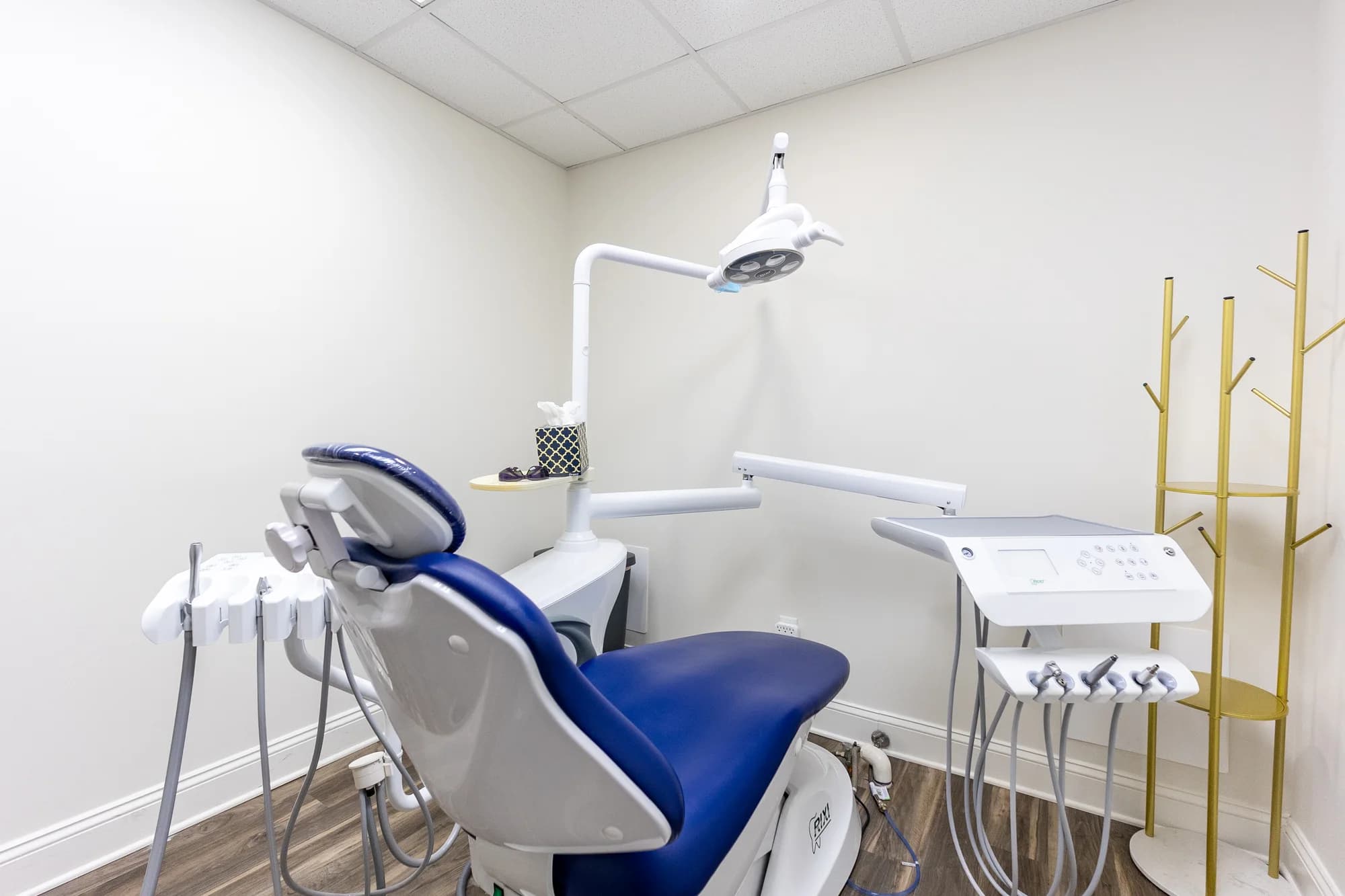
In-office whitening happens chairside in about an hour, with a stronger gel applied under close supervision. Take-home trays are custom-fit to your mouth and worn on your own schedule: typically a set time daily, or overnight, for a couple of weeks.
Either way, your dentist checks your teeth first and chooses the strength and approach that fits your case. Not a one-size-fits-all kit.
Most Healthy Smiles Qualify
Most adults with healthy teeth and gums are good candidates. Whitening works well on the yellow and brown staining from coffee, tea, red wine, tobacco, and normal aging. Staining from certain childhood medications or fluorosis responds more gradually. We’ll tell you honestly what to expect before you start.
Whitening only changes natural enamel. It won’t shift the color of an existing crown, filling, or veneer, so if you have visible restorations, we’ll talk through the right order of treatment at your exam.
How Whitening Works Here
A quick exam first
We check for cavities and gum health before any gel touches your teeth.
Pick your path
One supervised in-office visit, or custom trays ready a few days later with your gel and instructions.
Whiten at your own pace
Your exact plan depends on your starting shade and goals.
Comfort along the way
Mild, temporary sensitivity is common: we’ll walk you through easing it if it comes up. Comfort comes first here.
Touch up over time
Results fade gradually as everyday staining builds back. Many patients touch up every year or two.
We Check First: Not After Something Goes Wrong
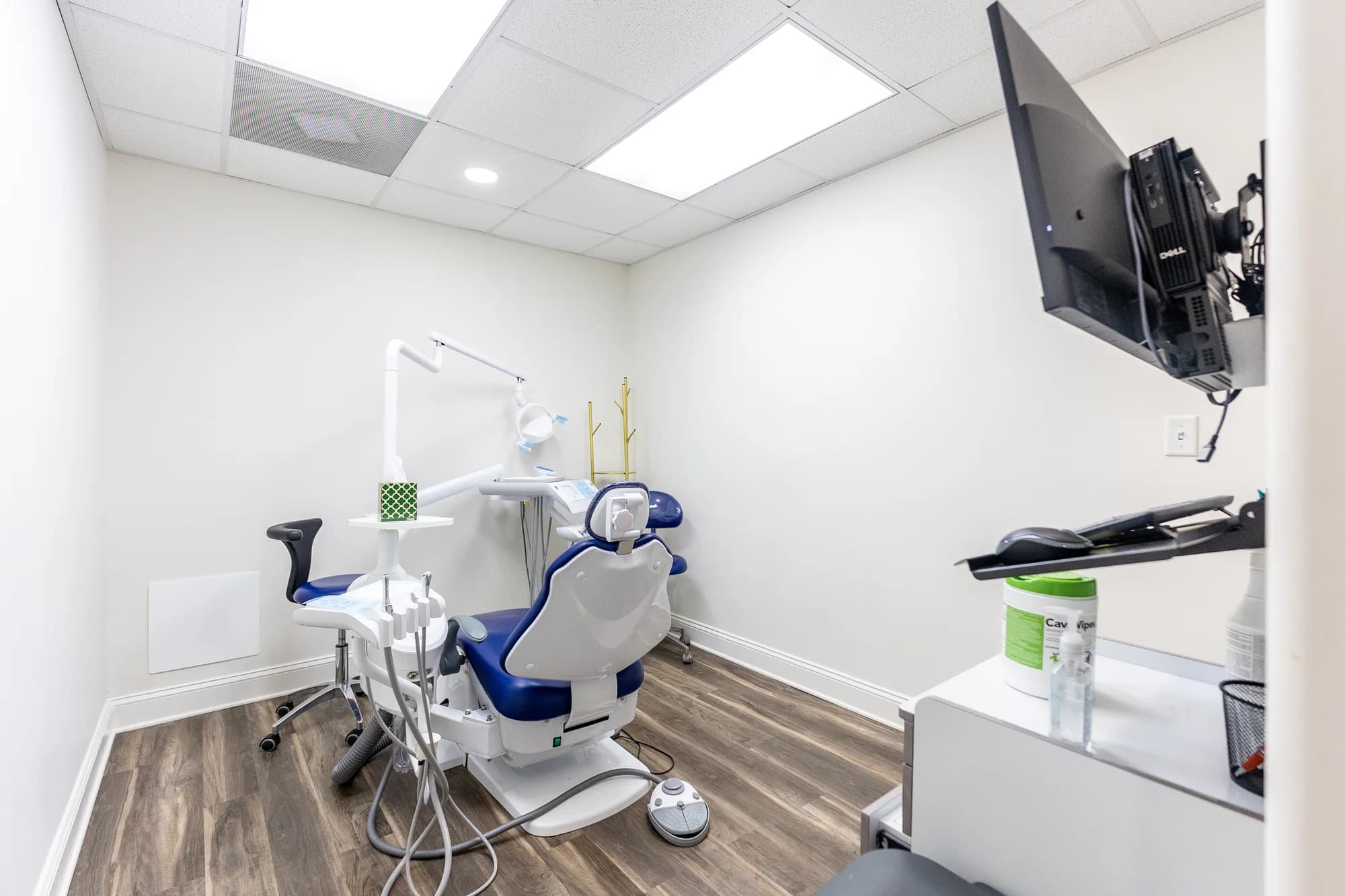
That’s the real difference between a dentist-supervised process and a kit ordered online. If you have a cavity, a crack, or irritated gums, we catch it first instead of trapping gel against a problem tooth.
And we’ll say so plainly if whitening isn’t going to get you where you want to go. If veneers or bonding would serve your goal better, that’s what we’ll recommend. And with digital smile preview, you can see what that next step could look like before you commit to anything. Dr. Bhangra and Dr. Arafa both walk through cosmetic cases the same way: only what you actually need.
Only what you actually need, explained honestly before it becomes a plan.
One of Our Lower-Cost Cosmetic Treatments
Whitening pricing depends on which option fits you: in-office or take-home trays. And we’ll go over your options and cost at your exam, once we’ve had a look at your teeth.
It’s a cosmetic treatment, so dental insurance typically doesn’t cover it, but it’s one of the lower-cost cosmetic treatments we offer.
Whitening Questions
It depends on your starting shade and what’s causing the staining. Coffee, wine, and tobacco stains tend to respond well; medication-related staining lightens more gradually. We’ll set realistic expectations at your exam.
Yes, when a dentist supervises it. We check for cavities and gum health first, then use a gel concentration that fits your case: a meaningfully different process than an over-the-counter strip.
Most patients find it comfortable, though mild, temporary sensitivity is common, especially with the stronger in-office gel. We’ll tell you how to ease it if it comes up.
Results fade gradually as staining foods and drinks build back up. Many patients touch up every year or two to hold their shade, often a quick visit if you kept your trays.
No. It only changes natural enamel. If you have visible crowns, fillings, or veneers, we’ll talk through the right order of treatment so everything matches.
It depends on your schedule and goals. In-office gives a faster result in one visit; take-home trays whiten gradually on your own time. We’ll help you decide at your exam.